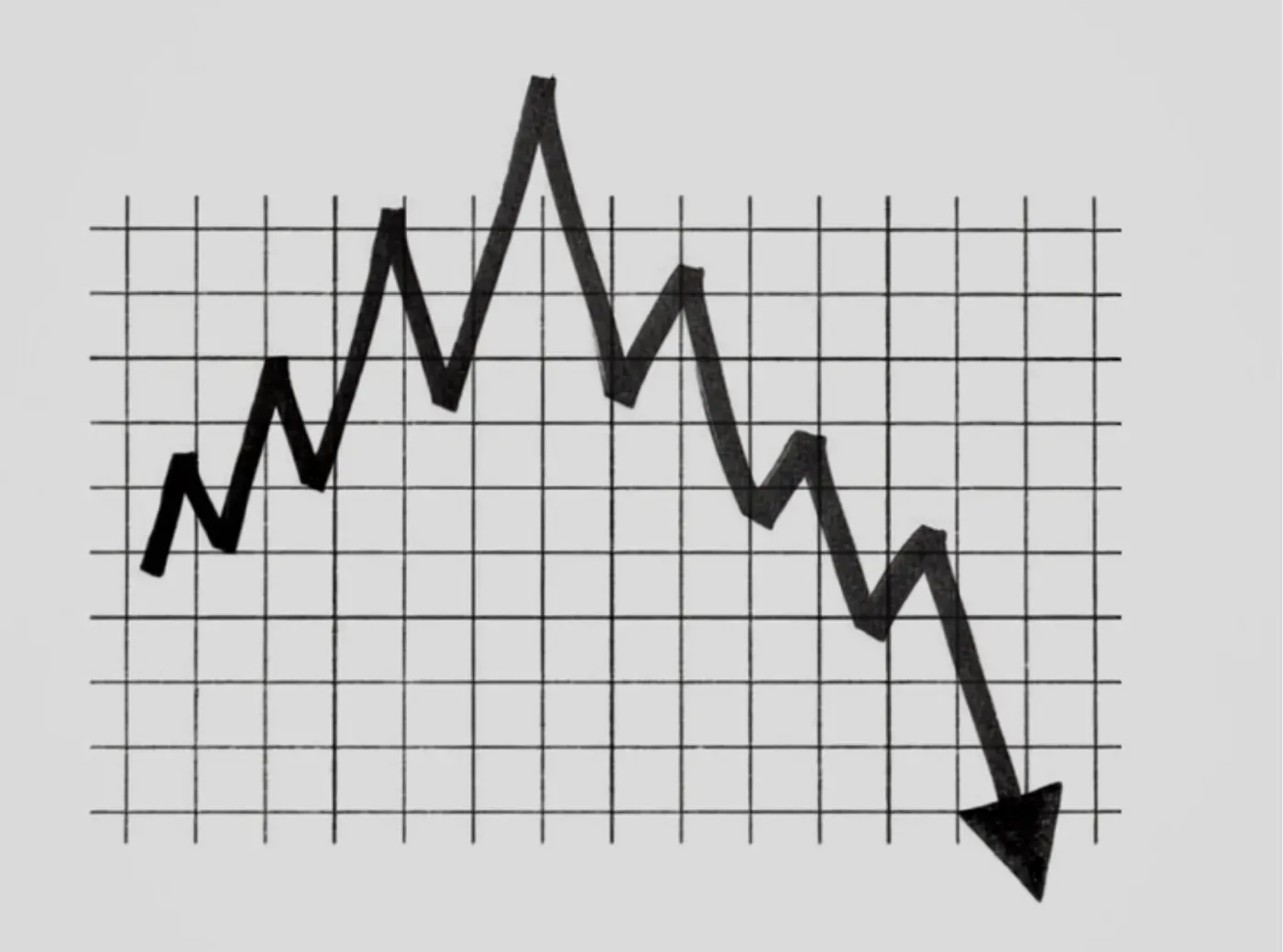
Many small businesses believe their biggest problem is sales.
They think if they can bring in more customers, increase revenue, and close more deals, the business will become healthier. Sometimes that is true. But very often, the business does not have a sales problem.
It has a bookkeeping problem.
More sales will not fix unclear records, unreconciled bank accounts, missing expenses, weak cash tracking, poor tax documentation, or incorrect profit calculations. In fact, more sales can make these problems worse.
Why Bookkeeping Matters More Than Owners Realize
Bookkeeping is not just data entry.
It is the foundation of financial control. It tells the business what it earned, what it spent, what it owes, what customers owe, whether cash is available, and whether the business is actually profitable.
When bookkeeping is weak, the owner loses visibility.
Revenue may be increasing, but profit may be shrinking. Cash may be coming in, but expenses may be leaking out. The business may be busy, but tax liabilities may be building quietly. Customers may owe money, but nobody is tracking collections properly.
This is how a business can look active and still feel financially unstable.
Common Bookkeeping Problems in Small Businesses
Small businesses often repeat the same bookkeeping mistakes.
They mix personal and business expenses. They delay bank reconciliations. They ignore small expenses that add up. They do not track receivables properly. They rely on screenshots, WhatsApp messages, or memory instead of proper documentation. They classify costs inconsistently. They wait until tax season to clean records.
These issues may look small, but they create serious distortion.
If expenses are missing, profit may look higher than reality. If bank accounts are unreconciled, cash position may be wrong. If customer balances are not tracked, collections become weak. If supplier bills are missing, liabilities are understated.
The owner then makes decisions using unreliable information.
More Sales Can Increase the Damage
A weak bookkeeping system becomes more dangerous when sales grow.
More customers mean more invoices. More invoices mean more collections to track. More expenses mean more classification work. More suppliers mean more payables. More activity means more tax documentation.
If the system was already messy at a small volume, growth multiplies the mess.
This is why many small businesses feel busier but not richer.
The problem is not always revenue. The problem is that financial control has not kept up with activity.
Bookkeeping and Cash Flow
Good bookkeeping improves cash flow control.
It helps owners see which customers have not paid, which bills are due, what tax needs to be reserved, and how much money is actually available after obligations.
Without clean books, owners often manage cash reactively. They pay whoever pressures them first, delay decisions, or discover obligations too late.
Structured bookkeeping creates a clearer view of the business.
Bookkeeping and Tax Compliance
Tax compliance also depends on bookkeeping.
If records are incomplete, tax filing becomes stressful and inefficient. The business may miss deductible expenses, lack support for claims, misstate income, or face penalties because filings are late or inaccurate.
Proper bookkeeping throughout the year makes tax season easier and more defensible.
A Better Approach
Small businesses should treat bookkeeping as a management function, not an afterthought.
This means separating business and personal finances, updating records regularly, reconciling bank accounts monthly, keeping invoices and receipts, reviewing receivables and payables, and preparing basic monthly reports.
As the business grows, bookkeeping should be supported by proper systems and professional review.
Final Thought
Sales growth is important, but sales alone cannot fix poor financial control.
A business with weak bookkeeping may generate more revenue and still lose money, miss tax obligations, or run out of cash.
Before chasing more sales, small business owners should make sure their books are clean, reconciled, and decision-ready. Strong bookkeeping gives the business a reliable foundation for growth.