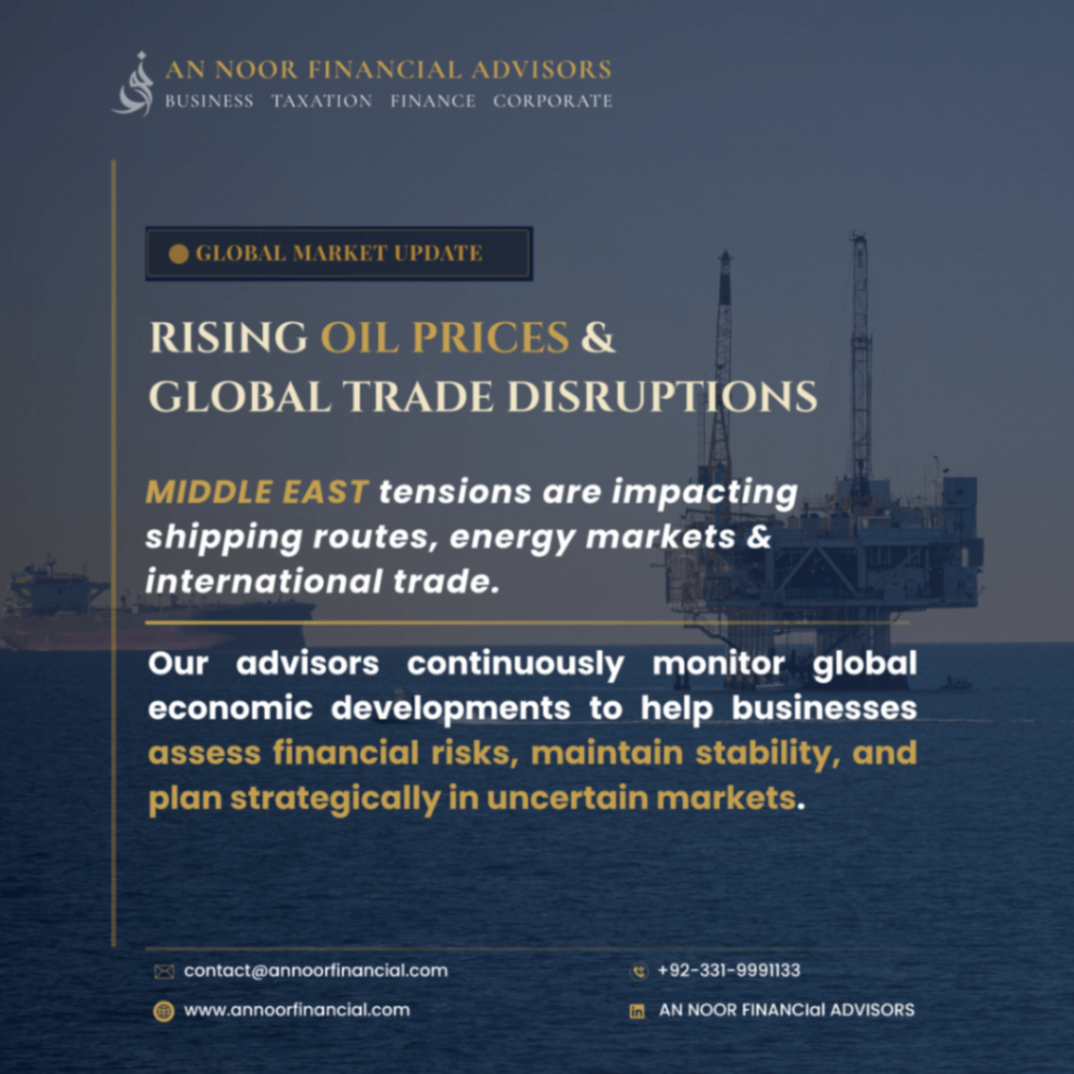
Global energy markets can affect businesses far beyond the oil and gas sector.
When energy prices rise or supply routes become uncertain, the impact can move quickly through transportation, manufacturing, logistics, food supply, construction, retail, and professional services. Even companies that do not buy fuel directly may feel the pressure through supplier pricing, shipping costs, utilities, inflation, and customer demand.
This is why energy market risk should be part of business planning.
Why Energy Prices Matter for Businesses
Energy is embedded in the cost structure of most economies.
Fuel affects logistics. Electricity affects production. Gas affects manufacturing and utilities. Shipping disruption affects importers and exporters. Higher transportation costs affect supplier prices. Inflation pressure affects wages, rent, and purchasing behavior.
A business may not trade energy, but it still operates inside an energy-dependent economy.
When energy markets become volatile, margins can weaken quietly.
The Link Between Geopolitics and Business Costs
Energy markets are sensitive to geopolitical events, shipping route disruptions, sanctions, regional conflict, supply decisions, and global demand changes.
For businesses, the important point is not only the event itself. It is the financial effect.
If shipping costs rise, imported goods may become more expensive. If fuel prices rise, delivery and distribution costs increase. If production costs rise, suppliers may pass costs on. If inflation increases, customers may reduce spending or demand better pricing.
These changes can affect cash flow and profitability.
Why Businesses Need Scenario Planning
A single forecast is not enough when markets are uncertain.
Scenario planning helps leadership test different outcomes before they happen.
For example:
What happens if supplier costs increase by 10 percent? What if shipping delays slow customer delivery? What if fuel costs reduce project margins? What if inflation affects payroll expectations? What if customers delay purchases due to economic pressure?
These scenarios help management prepare responses instead of reacting late.
Scenario planning does not predict the future perfectly. It improves decision readiness.
Cash Flow Visibility Becomes Critical
Energy-related cost increases can create cash pressure.
Suppliers may demand higher payments. Inventory may cost more. Customers may delay payments. Projects may become more expensive to deliver. Tax and payroll obligations still continue.
Without cash flow forecasting, businesses may underestimate the working capital required to operate through volatility.
A rolling cash flow forecast helps leadership understand whether the business can absorb cost increases, maintain payment commitments, and protect operational stability.
Margin Protection
Businesses should review margins when external costs increase.
If costs rise but pricing remains unchanged, profitability weakens. If pricing increases too aggressively, demand may fall. If management does not understand true cost drivers, pricing decisions become guesswork.
This is where management reporting and financial advisory matter.
Leadership needs visibility by product, project, client, region, or service line. General financial statements may not show where cost pressure is actually damaging margins.
Risk-Aware Business Planning
Energy market risk should be integrated into broader business planning.
This may include supplier diversification, contract review, pricing clauses, budget sensitivity analysis, working capital planning, cost control, procurement review, and contingency reserves.
For companies operating internationally, the planning should also consider currency exposure, freight terms, customs timing, and cross-border payment delays.
Final Thought
Global energy market risk is not only a macroeconomic issue. It can become a direct business performance issue.
Companies that monitor external risk, forecast cash flow, review margins, and prepare scenarios are better positioned than those that wait for cost pressure to appear in the bank balance.
For SMEs and growing businesses, business advisory and financial modeling support can help translate global uncertainty into practical planning decisions.